Torque-to-Yield (TTY) Fasteners: Torque + Angle Explained
Torque-to-yield fasteners are designed to stretch into a controlled range, producing consistent clamp load when installed correctly. Many modern engines use TTY hardware on head bolts, main bolts, and other critical joints.
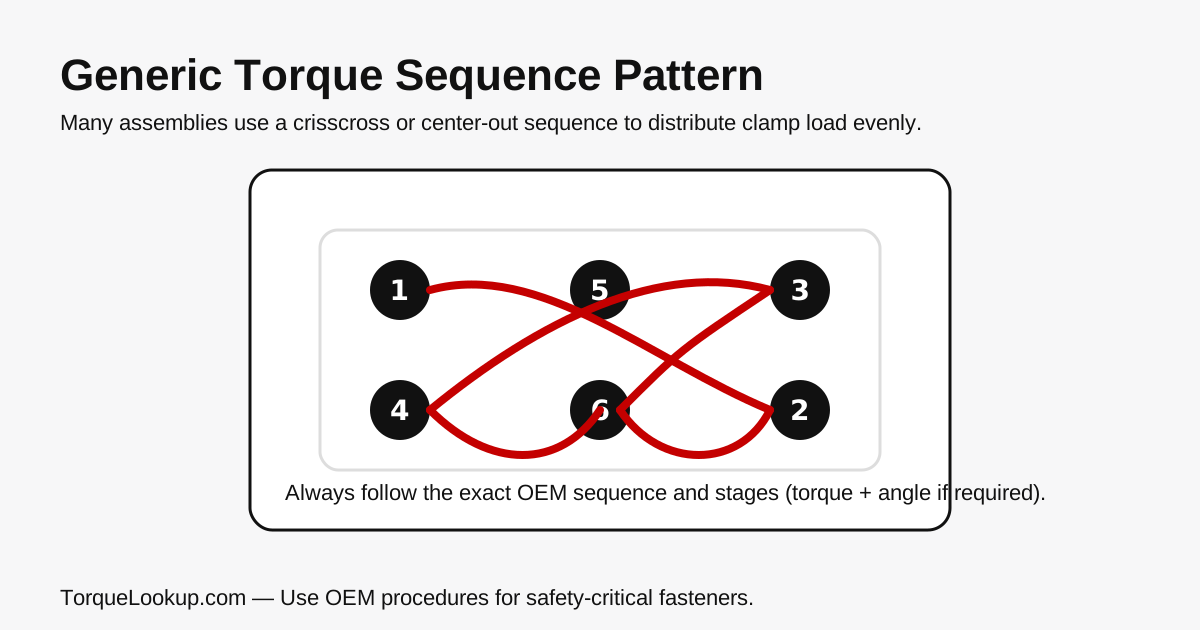
Why torque + angle is used
Torque is an indirect measurement. A large portion of applied torque is consumed by friction at the threads and the bolt head or nut seat. If friction varies, clamp load varies. Angle tightening reduces sensitivity to friction after seating, because the bolt elongation is driven by rotation over a known thread pitch. That is why the procedure usually specifies both seating torque and angle steps.
Single-use vs reusable
Many TTY fasteners are considered single-use because they permanently stretch. Reusing a stretched bolt can lead to unpredictable clamp load, reduced fatigue life, or failure. Some designs and procedures allow reuse under strict measurement; follow OEM guidance for that exact fastener.
Best practices for angle steps
- Use an angle gauge or a torque wrench with angle capability.
- Follow the exact sequence and stages (often center-out patterns).
- Do not pause for long periods mid-stage unless the procedure allows it.
- Prepare threads and seating surfaces exactly as specified (dry or oiled).
- Replace required hardware and use correct washers/spacers.
Common failure modes
- Skipping the seating torque stage (joint not fully seated).
- Angle measurement error due to tool movement or poor reaction point.
- Dirty or damaged threads causing binding and false angle progression.
- Incorrect lubricant choice producing unexpected stretch.
- Reusing bolts that are designed to be replaced.
Next: use the Torque Unit Converter and the Fasteners & Aftermarket foundation page to understand how friction impacts results.